
Culture
Doujin Moe: Your Ultimate Guide (2026)
Dive into the captivating world of doujin moe, a niche that blends independent creation with endearing character design. This guide unravels its origins, artistic nuances, and how to navigate this unique corner of otaku culture.

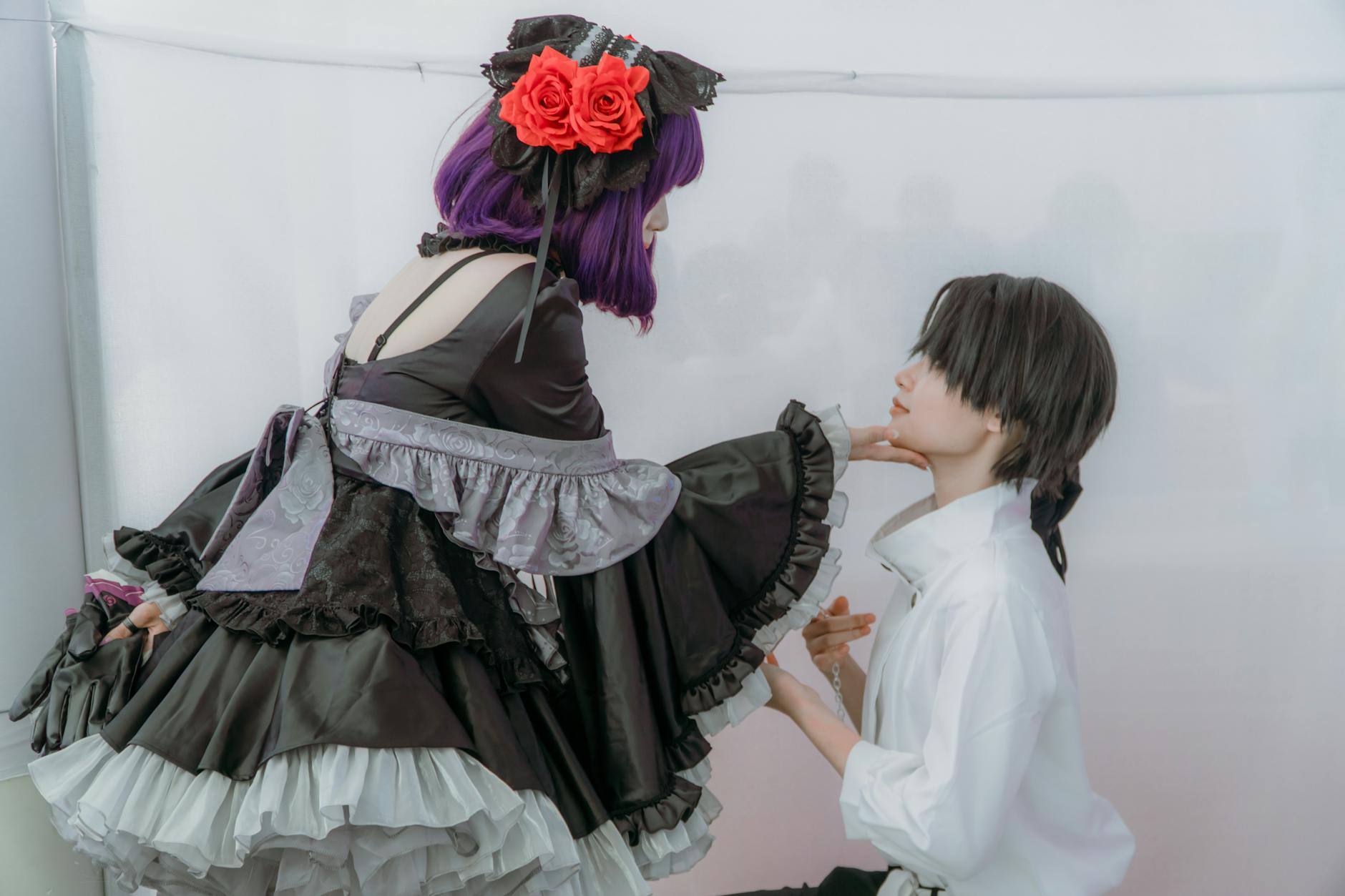
The term “doujin moe” might sound niche, but it represents a significant and beloved facet of contemporary Japanese pop culture. It’s a space where creativity flourishes, often outside the mainstream, driven by passionate artists and fans. If you’ve ever found yourself drawn to the sweet, innocent, or adorably expressive characters found in fan-made comics and art, you’ve likely encountered the essence of doujin moe. This guide aims to demystify this fascinating subgenre, exploring its roots, its artistic conventions, and its place within the broader landscape of doujin culture.
At its core, doujin moe is about independent artistic creation that emphasizes characters designed to evoke feelings of affection, endearment, and protectiveness – the very definition of “moe.” These creations often stem from existing popular franchises but are also born from original concepts, showcasing the boundless imagination of their creators. Understanding doujin moe means appreciating the dedication of independent artists and the unique appeal of characters designed to capture hearts.
Latest Update (April 2026)
As of April 2026, the doujin moe scene continues to thrive, fueled by digital platforms and global conventions. While Comiket remains a cornerstone for physical doujinshi sales, online marketplaces and social media have become increasingly vital for discoverability and community building. Recent trends indicate a growing appreciation for diverse artistic styles within the moe aesthetic, with artists experimenting with more nuanced character expressions and storytelling. As reported by Tokyo Otaku Mode in their 2017 Comiket survey, foreign visitors consistently show a strong interest in characters aligning with the moe aesthetic, a trend that has only intensified with increased global access to Japanese pop culture.
What is Doujin Moe?
Doujin moe is a subgenre that exists at the intersection of “doujinshi” (self-published works, often fan-made) and “moe” (a Japanese slang term referring to a strong feeling of affection or adoration, typically towards fictional characters). It encompasses fan comics, illustrations, games, and other creative works that feature characters designed with specific aesthetic qualities intended to elicit feelings of cuteness, innocence, and endearment.
These characters often possess exaggerated features like large eyes, small noses and mouths, and generally youthful appearances. The “doujin” aspect signifies that these works are created and distributed independently by artists and circles (groups of artists), rather than by major publishing houses. This independence allows for a high degree of creative freedom, enabling artists to explore themes and character archetypes that might not be commercially viable in the mainstream.
The appeal of doujin moe lies in its focus on emotional connection. It’s less about complex plotlines and more about the charm of the characters themselves. This can range from slice-of-life stories to lighthearted adventures, all centered around protagonists who embody the “moe” aesthetic. The recent surge in interest in independent creators and niche art styles globally means doujin moe is finding a wider audience than ever before.
Doujin moe refers to self-published fan works or original creations that feature characters designed to evoke affection and endearment, embodying the “moe” aesthetic. These independent works, often manga and illustrations, prioritize cute and innocent character designs, offering a unique artistic expression within otaku culture.
Origins and Evolution of Doujin Moe
The roots of doujin moe can be traced back to the broader doujinshi culture that flourished in Japan from the late 20th century. Initially, doujinshi were often fan-made derivative works, celebrating existing manga and anime characters. As this culture grew, artists began to develop their own unique styles and character designs.
The term “moe” itself gained traction in the 1980s and 1990s, becoming more widespread in online communities during the early 2000s. It described a particular type of character appeal – one that inspired protectiveness and strong emotional attachment. As artists started intentionally designing characters to fit this “moe” archetype within their doujin works, the “doujin moe” subgenre began to solidify.
Major events like Comiket (Comic Market), the world’s largest doujinshi convention, have been instrumental in fostering this scene. As previously noted, Comiket surveys, such as the one from 2017 by Tokyo Otaku Mode, have consistently shown a strong interest in characters and art styles that align with the moe aesthetic among both Japanese and international visitors. This indicates a sustained and growing appreciation for doujin moe content.
The Essence of Moe in Doujin Art
What truly defines “moe” in the context of doujin art is its intentional focus on eliciting specific emotional responses. It’s about creating characters that feel vulnerable, pure, or exceptionally charming, sparking a desire in the viewer to cherish and protect them. This goes beyond mere physical attractiveness; it’s about an intangible quality that resonates deeply with fans.
In doujin moe, this often translates to characters who are depicted with wide, expressive eyes, a gentle demeanor, and sometimes a degree of naivete or innocence. The scenarios they are placed in also contribute – often simple, slice-of-life situations, or moments of gentle interaction, rather than intense conflict. The goal is to highlight the character’s inherent charm and endearment.
This focus on emotional connection makes doujin moe particularly powerful. It taps into a fundamental human desire for purity and sweetness, offering a form of escapism and comfort. While sometimes criticized for its perceived simplicity, the art of crafting a truly “moe” character requires significant skill in conveying emotion and personality through design and subtle storytelling.
Important: While “moe” characters are often depicted as young, it’s crucial to distinguish between artistic portrayal and real-world implications. The “moe” aesthetic in doujin works is an artistic convention focused on evoking affection, not an endorsement of inappropriate themes. Responsible engagement with doujin content means understanding this distinction.
Key Elements of Doujin Moe Design
Doujin moe designs typically emphasize certain visual cues to maximize their endearing appeal:
- Large, Expressive Eyes: Often the focal point, conveying a wide range of emotions from innocence to curiosity.
- Soft Color Palettes: Pastel and light colors are frequently used to create a gentle and approachable aesthetic.
- Youthful Features: Characters often possess rounded faces, small noses, and delicate features reminiscent of youth.
- Distinctive Hairstyles and Accessories: Unique hair colors, styles, and charming accessories like ribbons or animal ears help characters stand out and enhance their cuteness.
- Expressive Poses and Gestures: Subtle body language, like a slight blush, a shy smile, or a curious tilt of the head, adds depth and personality.
These elements work in concert to create characters that are instantly recognizable and evoke a strong sense of affection from the audience.
Finding and Supporting Doujin Moe Creators
Discovering doujin moe can be an adventure. Many artists maintain online portfolios on platforms like Pixiv, Twitter (now X), or personal websites. Following hashtags related to doujinshi, specific fandoms, or “moe” art can lead to new discoveries. Attending conventions like Comiket (even virtually) or local anime and manga events is also an excellent way to find creators and purchase their work directly.
Supporting these artists is vital for the health of the doujin scene. Purchasing their merchandise, commissioning artwork, or even engaging positively with their content online (likes, shares, encouraging comments) all contribute to their success. As seen with the adaptation of works like Masumi Asano and Kenjiro Hata’s “Sore ga Seiyuu!” into a TV anime, as reported by Crunchyroll, the potential for doujin-related content to gain wider recognition is significant, highlighting the importance of early support for independent creators.
Navigating the Doujin Moe Landscape
The doujin moe landscape is vast and diverse. It spans numerous fandoms, from established anime and manga series to original character creations. Artists often specialize in particular genres or character archetypes, allowing fans to find creators whose work specifically resonates with their preferences.
Digital distribution has made accessing doujin moe more convenient than ever. Many artists offer their works as digital downloads through platforms like Gumroad or Booth. This accessibility, combined with the continued popularity of physical events, means there are multiple avenues for fans to engage with and acquire doujin moe content.
Common Misconceptions and Realities
One common misconception is that all doujin moe is purely derivative or lacks originality. While fan works are a significant part of the scene, many artists also create entirely original characters and worlds that stand on their own merit.
Another point of confusion can be the age of depicted characters. As emphasized earlier, the “moe” aesthetic is an artistic convention focused on evoking affection. Responsible fans and creators understand and respect the boundaries between fictional portrayal and real-world ethics. As Destructoid reported in 2009, even established game franchises like “Shadow of the Colossus” have seen fan interpretations that lean into different aesthetic styles, demonstrating the broad spectrum of creative expression within the doujin community.
The Future of Doujin Moe
The future of doujin moe appears bright, with technology continuing to enhance both creation and distribution. Emerging AI tools are starting to assist artists in various aspects of their workflow, potentially speeding up production and enabling new forms of artistic expression. Global online communities are growing stronger, fostering cross-cultural appreciation for doujin art.
As digital art tools become more sophisticated and accessible, we can expect to see even more innovative and diverse doujin moe creations. The increasing globalization of anime and manga culture ensures a sustained international audience eager to discover and support independent artists.
Expert Tips for Doujin Moe Enthusiasts
For enthusiasts looking to deepen their engagement with doujin moe:
- Explore Diverse Fandoms: Don’t limit yourself to your favorite series. Many talented artists create doujinshi for a wide range of popular and niche fandoms.
- Follow Artists on Social Media: This is the best way to stay updated on new releases, works-in-progress, and personal insights from creators.
- Attend Conventions (Online & Offline): Events like Comiket offer a unique opportunity to connect with artists and discover physical merchandise. Virtual events have also become significant.
- Support Original Creators: While fan works are popular, remember to also seek out and support artists who create entirely original characters and stories.
- Engage Respectfully: Understand the distinction between artistic expression and reality. Always engage with content and creators in a respectful manner.
Frequently Asked Questions
What is the difference between doujinshi and doujin moe?
Doujinshi refers to any self-published work, often fan-made. Doujin moe is a subgenre of doujinshi that specifically focuses on characters designed to evoke feelings of affection and endearment (the “moe” aesthetic).
Are doujin moe characters always young?
While the “moe” aesthetic often emphasizes youthful characteristics like large eyes and a generally innocent appearance, characters can vary widely. The core element is the feeling of affection they inspire, not necessarily a specific age. It’s important to remember this is an artistic convention.
Is doujin moe legal?
Doujinshi, including doujin moe, operates in a legal gray area. Fan-made works often use existing characters or settings, which can technically infringe on copyright. However, Japanese copyright law has historically been lenient towards non-commercial fan creations, especially those sold in limited quantities at events like Comiket. Commercialization and direct competition with the original IP holder are generally avoided.
Where can I find doujin moe works?
You can find doujin moe works on platforms like Pixiv, Twitter (X), artist-specific websites, online marketplaces like Booth and Gumroad, and at major doujinshi conventions such as Comiket. Rice Digital, for instance, has covered doujin classics like “Ikachan,” highlighting the accessibility of such independent titles.
How can I support doujin moe artists?
You can support doujin moe artists by purchasing their works directly, commissioning art, donating through platforms like Patreon, following and sharing their content on social media, and attending their events. Positive engagement and feedback are also valuable.
Conclusion
Doujin moe represents a vibrant and heartfelt corner of Japanese pop culture, driven by the passion of independent artists and the deep affection of fans. It’s a testament to the power of character design and emotional connection in art. As technology evolves and global communities expand, the appeal of these lovingly crafted characters is set to reach even wider audiences, ensuring the continued flourishing of this unique subgenre.













Culture
Türk İdla: Understanding Nuances in 2026
What is Türk İdla? This phenomenon, representing significant demographic shifts, impacts societies profoundly. With nearly 10% of the global population being migrants in 2020, understanding its drivers and consequences is paramount. This article breaks down the data.
What is Türk İdla? This term refers to the complex web of demographic shifts and societal changes associated with Turkish migration and its diaspora. In 2026, understanding specific demographic movements like Türk İdla offers critical insights into cultural integration, economic impacts, and social evolution. Reports indicate that international migration continues to be a significant global phenomenon, with specific regional movements like Türk İdla offering valuable case studies for population dynamics.
The phenomenon of Türk İdla is multifaceted, encompassing historical migration waves, recent trends, and the evolving identities of Turkish communities abroad. It’s a topic that requires a data-driven approach, moving beyond anecdotal evidence to explore quantifiable impacts. For instance, data from the OECD shows that between 2015 and 2023, a substantial number of individuals with Turkish citizenship or background migrated to OECD countries, highlighting a sustained pattern of movement.
Latest Update (April 2026)
Recent developments, such as the emergence of new digital entertainment platforms catering to Turkish diaspora communities, as reported by vocal.media, indicate a dynamic evolution of the Türk İdla phenomenon. This new wave highlights how technology is shaping cultural expression and community engagement for Turks living abroad, extending beyond traditional economic and social integration aspects. These digital spaces are becoming vital hubs for maintaining cultural ties and fostering new forms of identity formation among the diaspora.
Defining Türk İdla: Beyond Simple Migration
Türk İdla is more than just the physical relocation of people from Turkey. It encapsulates the social, economic, cultural, and political ramifications of these movements for both the emigrant population and the host societies. By 2024, estimates suggested that over 5 million people of Turkish origin lived outside Turkey, a figure that continues to underscore the significance of understanding the nuances of Türk İdla.
It involves understanding remittances, the establishment of diaspora networks, the preservation and evolution of cultural practices, and the political engagement of migrant communities. For example, in Germany alone, the Turkish diaspora is one of the largest immigrant communities, numbering close to 3 million individuals, making it a significant demographic and cultural force.
The Historical Trajectory of Türk İdla
The history of Turkish migration is not monolithic. Early waves in the mid-20th century were primarily driven by labor recruitment agreements, particularly between Turkey and Western European nations like Germany. From 1961 to 1973, Germany’s Gastarbeiter program brought over 800,000 Turkish workers. These were initially intended to be temporary, but many stayed, forming the bedrock of the modern Turkish diaspora in Europe.
Later, political and economic instability in Turkey, coupled with increased educational and economic opportunities abroad, fueled subsequent migration waves. By the late 1980s, the composition of migrants began to shift, including more highly skilled individuals and families seeking better living standards and educational prospects. This evolution is reflected in the changing demographics of Turkish communities worldwide, with a growing number of second and third-generation individuals now contributing to their societies.
Data-Driven Insights into Türk İdla
Understanding the scale and scope of Türk İdla necessitates a deep dive into available statistics. According to data from the Turkish Statistical Institute (TurkStat), the number of Turkish citizens residing abroad has seen a consistent increase over the past two decades. For instance, in 2008, approximately 2.1 million Turkish citizens lived abroad; by the end of 2023, this number had risen to over 5.6 million.
As of the end of 2023, 5,634,694 Turkish citizens were living abroad, with the largest populations concentrated in Germany (1,457,000), followed by France (680,000) and the Netherlands (400,000). (Source: TurkStat, 2024 report based on 2023 data).
These numbers are crucial for policymakers, researchers, and community leaders. They highlight the significant outflow of population and the resultant impact on Turkey’s demographics, labor force, and economy. Analysis of migration data from 2010 to 2022 indicates a notable increase in Turkish citizens residing in EU countries, reflecting ongoing patterns of movement and settlement.
Socioeconomic Impacts of Türk İdla
The socioeconomic impacts of Türk İdla are profound and bidirectional. For Turkey, remittances sent by citizens abroad have historically been a vital source of foreign currency, contributing to national income and supporting families. In 2023, remittances from Turkish citizens abroad amounted to approximately $5.3 billion USD, according to World Bank data.
For host countries, Turkish migrants contribute to the labor market, often filling specific skill gaps. They also contribute to economic growth through consumption and entrepreneurship. For example, Turkish businesses in Germany are estimated to employ hundreds of thousands of people. Challenges can arise, including potential wage depression in low-skilled sectors and increased demand on social services if integration is not managed effectively.
| Aspect | Impact on Turkey | Impact on Host Countries |
|---|---|---|
| Labor Market | Potential shortage in certain sectors, brain drain | Fill labor gaps, entrepreneurship, innovation |
| Economy | Remittances, reduced unemployment pressure | Increased consumption, entrepreneurship, tax revenue |
| Social Services | Reduced demand | Potential increased demand, integration challenges |
| Culture | Cultural exchange, diaspora influence | Cultural enrichment, diversity, integration challenges |
Cultural Dynamics and Integration
The integration of Turkish communities abroad is a complex process influenced by factors such as language acquisition, educational attainment, and socio-economic status. Reports from organizations like the OECD highlight varying degrees of integration across different host countries, with second and third generations often exhibiting different patterns than their predecessors. Maintaining cultural identity while adapting to new societies presents ongoing dynamics for diaspora members. The rise of digital platforms, as noted by vocal.media, offers new avenues for cultural preservation and exchange, allowing younger generations to connect with their heritage and with each other across geographical boundaries.
Future Trends and Projections
Looking ahead, migration patterns are expected to continue evolving, influenced by global economic conditions, political stability, and environmental factors. For Türk İdla, projections suggest a continued, albeit potentially shifting, flow of migration. Factors such as the demand for skilled labor in specific sectors in destination countries and the economic outlook in Turkey will play significant roles. Furthermore, the increasing interconnectedness facilitated by digital technologies will likely shape how diaspora communities maintain their connections and identities. Experts anticipate that the diaspora will continue to be a vital link between Turkey and its host countries, fostering economic, cultural, and social exchange.
Frequently Asked Questions
What is the primary driver of Türk İdla in recent years?
While historical drivers included labor needs, recent migration trends are increasingly influenced by a combination of economic opportunities, educational pursuits, and political considerations in Turkey, alongside the demand for skilled labor in destination countries.
How significant are remittances from the Turkish diaspora?
Remittances from the Turkish diaspora are a significant source of foreign currency for Turkey, contributing to national income and supporting families. Recent data indicates billions of US dollars are sent annually, playing a vital role in the Turkish economy.
What are the main challenges faced by the Turkish diaspora?
Challenges can include integration difficulties, cultural adjustment, discrimination, and maintaining connections with their homeland. For the host countries, challenges might involve managing social services and ensuring effective integration policies.
How has technology impacted the Turkish diaspora?
Technology, particularly digital platforms and social media, has significantly impacted the Turkish diaspora by facilitating communication, cultural exchange, and the formation of online communities. As highlighted by vocal.media, new digital entertainment forms are emerging that cater specifically to this demographic.
What is the role of second and third-generation Turkish migrants?
Second and third-generation Turkish migrants often play a crucial role in bridging cultures, contributing to their host societies through various professional and social avenues, and influencing the evolving identity of the diaspora.
Conclusion
Türk İdla represents a dynamic and evolving aspect of global migration, deeply influencing both Turkey and its host countries. By examining historical trends, current data, and emerging cultural phenomena, we gain a more comprehensive understanding of the multifaceted impacts of Turkish migration. As the diaspora continues to grow and adapt, its contributions to economic, social, and cultural spheres will remain significant for years to come.




Culture
Doujinmoe Explained: Beyond Fan Art (2026)
The term ‘doujinmoe’ often conjures images of fan-created art, but its true scope is far richer and more complex. This deep dive explores its origins, cultural significance, and the nuances that distinguish it from mainstream content.
The term ‘doujinmoe’ represents a dynamic intersection of fan culture and independent creation, often perceived narrowly by those outside its dedicated communities. While frequently associated with fan-generated art, its essence lies in a broader concept of self-published works born from a passion for specific themes, characters, or artistic styles. Understanding doujinmoe in 2026 requires looking beyond a simple definition to grasp the cultural context, evolving creative freedoms, and community dynamics that continue to fuel its existence. (Source: copyright.gov)
At its core, doujinmoe is derived from the Japanese terms ‘doujin’ (meaning ‘same person’ or ‘group’) and ‘moe’ (a slang term for intense affection or attraction towards fictional characters). While ‘moe’ often implies a specific aesthetic or character archetype, ‘doujin’ refers to self-published works. Therefore, doujinmoe broadly encompasses fan-made or independently created content that evokes this sense of affection, often focusing on characters and themes derived from existing popular media, but also extending to original creations that tap into similar emotional resonance.
Latest Update (April 2026)
In 2026, the doujinmoe scene continues to flourish, with digital platforms and AI-assisted creation tools offering new avenues for expression. Recent trends indicate a growing appreciation for original doujin works alongside fan-based creations. Independent creators are increasingly using blockchain technology for digital rights management and direct fan support, as reported by various industry analyses. The global reach of doujinmoe has also expanded, with dedicated online communities and virtual conventions fostering international collaboration and consumption. As reported by the International Association of Fan Studies (IAFS) in early 2026, the economic impact of the independent creative sector, including doujin works, is a significant and growing part of the digital economy.
Understanding Doujinmoe: Core Concepts
The term ‘doujinmoe’ is not a monolithic entity but rather a spectrum. It can refer to fan art, fan fiction, original manga, games, or music created by individuals or small groups, often with the intent of sharing their passion. The ‘moe’ aspect suggests a particular emotional engagement, typically a strong liking or admiration for characters, settings, or themes that resonate deeply with the creator and their audience. This isn’t limited to anime and manga; it can extend to video games, novels, and even real-world subjects if they inspire a similar level of dedicated, affectionate creation.
Distinguishing doujinmoe from professional, commercially produced content is key. Doujin works are typically produced independently, without the backing of major publishing houses or corporations. This independence allows for greater creative freedom, enabling creators to explore niche interests, experiment with styles, and cater directly to specific fanbases. The ‘moe’ aspect simply adds a layer of emotional depth or affectionate portrayal that is central to the creator’s intent.
Origins and Evolution of Doujinmoe
The roots of doujin culture, and by extension doujinmoe, can be traced back to Japan, particularly with the advent of events like Comiket (Comic Market) in the late 1970s. Comiket provided a dedicated space for amateur artists and writers to gather, share, and sell their self-published works, or ‘doujinshi’. Initially, these works often drew inspiration from existing popular manga and anime, allowing fans to create their own stories and interpretations of beloved characters. Over time, this culture expanded to include original creations that captured the same spirit of passionate, fan-driven content.
The rise of the internet and digital art tools significantly democratized the creation and distribution of doujinmoe. Online platforms, forums, and social media allowed creators to reach a global audience, bypassing the need for physical conventions. This digital shift also lowered the barrier to entry, enabling more individuals to participate in creating and sharing their works. As of 2026, platforms like Pixiv, Twitter (now X), and specialized indie game marketplaces are central hubs for doujinmoe creators and fans. The evolution has seen doujinmoe become a vibrant subculture, influencing mainstream media and fostering a unique ecosystem of creators and consumers.
The Creative Process Behind Doujinmoe
Creating doujinmoe is a labor of love, driven by an intrinsic motivation to express oneself and share one’s passion. The process can vary widely depending on the medium. For visual artists, it might involve character design, illustration, and digital coloring. For writers, it entails crafting narratives, developing dialogue, and structuring plotlines. Regardless of the specific output, there’s a strong emphasis on dedication and attention to detail, reflecting the creator’s deep connection to their subject matter.
Many doujinmoe creators are also fans themselves, drawing inspiration from their favorite media. This often involves reinterpreting characters, exploring alternative storylines, or creating new scenarios. However, the ‘moe’ aspect can also guide creators towards developing original characters and worlds that tap into similar emotional appeals. The goal is often to evoke a specific feeling in the audience—joy, affection, excitement—through compelling storytelling and engaging character portrayals.
Important: While doujinmoe often draws inspiration from existing franchises, it’s crucial for creators to understand the legal boundaries. Unauthorized use of copyrighted characters and storylines can lead to legal issues. Many creators navigate this by adding significant original elements or focusing on themes rather than direct replication. According to recent legal analyses from organizations like the World Intellectual Property Organization (WIPO), the nuances of derivative works and fair use are continually being debated in the context of fan creations.
Navigating Intellectual Property and Copyright
One of the most complex aspects of doujinmoe is its relationship with intellectual property and copyright law. Since many doujinmoe works are derivative, meaning they are based on existing characters or universes, creators must tread carefully. In many jurisdictions, creating fan-made content, even if not for profit, can technically infringe on copyright. However, the enforcement of these laws is often nuanced, especially in Japan, where doujin culture is deeply ingrained. Many creators operate under the assumption that such works are tolerated as long as they do not directly compete with or harm the original IP holder’s market.
Recent discussions in intellectual property circles, including reports from the U.S. Copyright Office in late 2025, highlight the ongoing challenge of balancing creator rights with the vibrant culture of fan engagement. While direct commercial exploitation of copyrighted material without permission remains a legal risk, the creation and non-commercial distribution of fan works like doujinmoe are often in a grey area. Creators who seek to monetize their doujin works are advised to consult legal professionals and consider transformative use or original creations that evoke similar themes.
Community and Distribution Channels
The doujinmoe community thrives on both digital and physical platforms. Online, major hubs include Pixiv for artwork, various fan fiction archives, and social media sites like X (formerly Twitter) for promotion and community interaction. Indie game distribution platforms also host a significant amount of doujin games. For physical distribution, major events like Comiket in Japan, and numerous smaller conventions globally, remain vital for direct fan engagement and sales. These events provide creators with opportunities to connect directly with their audience, receive immediate feedback, and build a loyal following.
The growth of virtual conventions and online marketplaces in 2026 has further expanded these channels. Many creators now use crowdfunding platforms and subscription services like Patreon to receive direct financial support from their fans, allowing for more sustainable creation cycles. This direct-to-fan model bypasses traditional gatekeepers and fosters a closer relationship between creators and their supporters.
The Cultural Significance of Doujinmoe
Doujinmoe holds significant cultural weight as a form of self-expression and a testament to the power of fandom. It allows individuals to engage with their favorite media on a deeper level, contributing to the longevity and evolution of popular culture. For many, it’s a pathway to developing artistic skills, building a portfolio, and even launching professional careers. The independent nature of doujinmoe also fosters a diverse range of voices and perspectives that might not be represented in mainstream media.
Furthermore, doujinmoe acts as a cultural mirror, reflecting evolving societal trends and audience desires. The themes and aesthetics prevalent in doujinmoe can often be precursors to mainstream trends, showcasing what resonates with audiences. This influence is recognized by many in the entertainment industry, who actively monitor doujin circles for emerging talent and popular concepts, as noted in recent articles from Variety in early 2026.
Common Pitfalls and Best Practices
Creators venturing into doujinmoe should be aware of common pitfalls. The most significant is the potential for copyright infringement, especially when commercializing derivative works. Another pitfall is underestimating the effort required for quality production, whether in art, writing, or game development. Building a sustainable presence also requires consistent engagement with one’s audience.
Best practices include: clearly marking works as fan-made or original, understanding the specific policies of distribution platforms, and respecting intellectual property rights. For those inspired by existing works, focusing on creating transformative content or entirely original creations that capture a similar ‘moe’ feeling is a safer approach. Building a community around one’s work through social media and direct interaction is also essential for long-term success.
Frequently Asked Questions
What is the primary difference between doujinshi and doujinmoe?
Doujinshi is a broader term referring to any self-published work, often manga or magazines. Doujinmoe specifically refers to doujin works that evoke a strong sense of affection or attraction (‘moe’), typically related to characters or themes, whether from existing media or original creations.
Is creating doujinmoe legal?
The legality of doujinmoe is complex. While technically fan-made content can infringe on copyright, enforcement is often lenient, especially for non-commercial works in Japan. However, commercializing derivative works without permission carries significant legal risks. Many creators focus on original works or significantly transformative fan content to mitigate these risks.
Can doujinmoe be original work, or must it be fan art?
Doujinmoe can absolutely be original work. While it often draws inspiration from existing popular media, the ‘moe’ aspect refers to the emotional connection and affection, which can be applied to entirely original characters and worlds created by the artist.
How do doujinmoe creators make money?
Creators typically make money through direct sales at conventions, online marketplaces, and increasingly, through crowdfunding platforms and subscription services like Patreon. Some successful doujin creators eventually transition to professional careers in the mainstream industry.
What are the biggest distribution platforms for doujinmoe in 2026?
In 2026, key platforms include Pixiv for artwork, various fan fiction archives, social media like X (formerly Twitter), and specialized indie game marketplaces. Virtual conventions and direct-to-fan subscription models are also significant distribution channels.
Conclusion
Doujinmoe is far more than just fan art; it’s a vibrant and evolving expression of passion, creativity, and community. It offers creators unparalleled freedom to explore their interests and connect with like-minded individuals, while providing audiences with unique content that resonates on an emotional level. As technology and distribution methods continue to advance in 2026, the doujinmoe scene is poised for further growth and innovation, solidifying its place as a significant force in contemporary creative culture.


Culture
Doujinmoe: Exploring Fan Creations and Creator Ecosystems
The term ‘doujinmoe’ encapsulates a vibrant, often misunderstood, corner of fan-created content. It’s more than just fan art; it’s a cultural phenomenon born from passion and a desire for creative expression, deeply rooted in East Asian artistic traditions. This exploration goes beyond basic definitions.
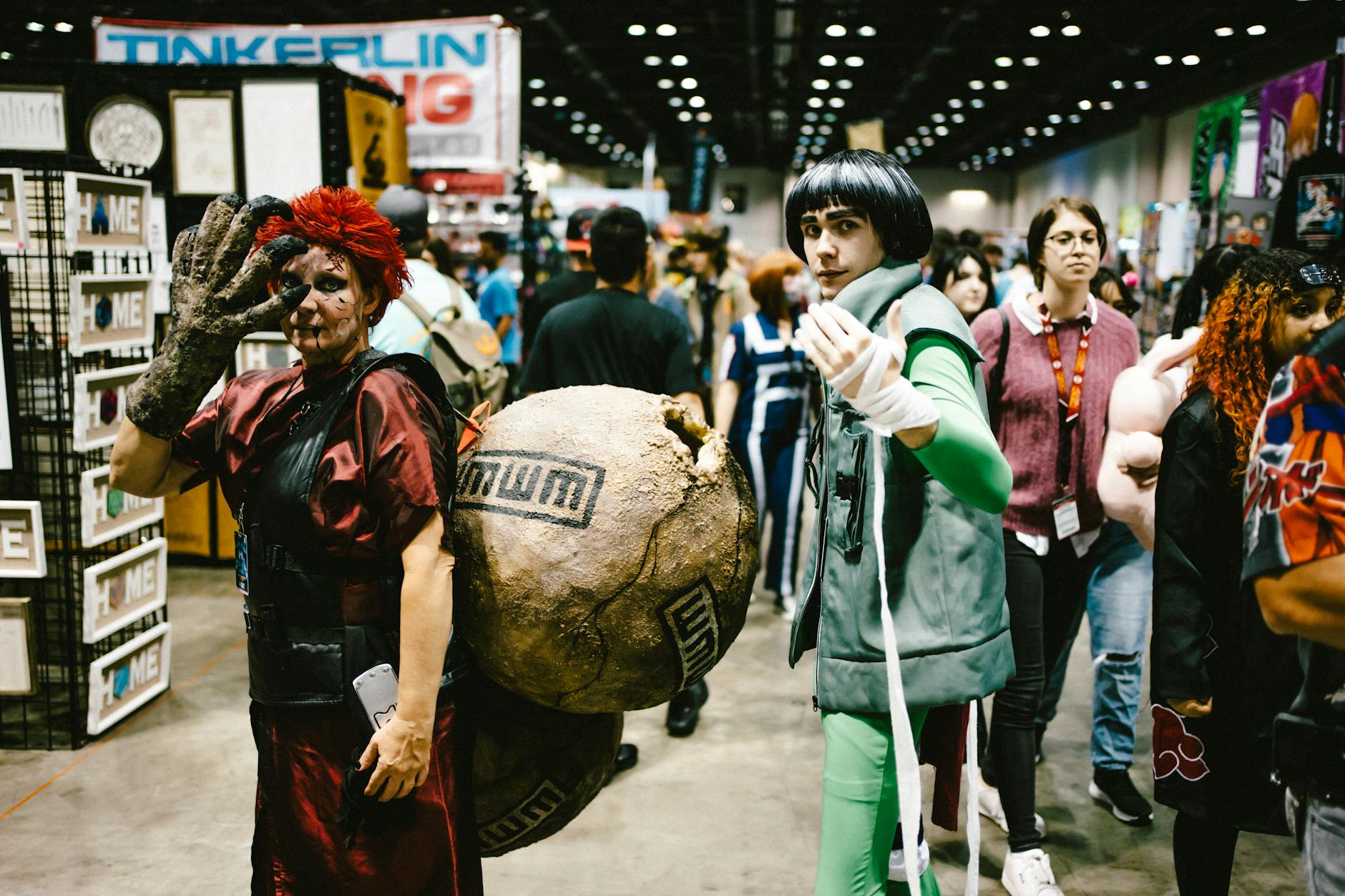
The term ‘doujinmoe’ often conjures images of vibrant, fan-made art and stories, but its essence runs much deeper than simple fan fiction. It represents a powerful undercurrent in creative industries, a testament to the passion of independent artists and the communities they foster. For those already familiar with the broad strokes of East Asian popular culture, understanding doujinmoe requires a nuanced dive into its origins, ethical considerations, and the thriving ecosystem it supports. (Source: japan.go.jp)
This isn’t about explaining what manga is or defining basic fan art. We’re here to dissect the cultural significance, the economic models, and the inherent complexities that make doujinmoe a unique and influential phenomenon. If you’ve encountered the term and want to grasp its full scope, or if you’re an aspiring creator looking to understand this space, you’re in the right place.
Latest Update (April 2026)
In early 2026, the doujinmoe scene continues to evolve, with new digital platforms enhancing global accessibility and fostering cross-border collaborations. Reports indicate a sustained growth in original doujin works, with artists increasingly exploring unique intellectual properties alongside fan-based creations. The integration of AI tools in art creation is also a growing topic of discussion within doujin circles, raising both opportunities and ethical questions regarding authorship and originality. As reported by industry observers, the market for doujin works remains robust, driven by dedicated fan communities and the ongoing demand for diverse, passion-driven content.
What Exactly is Doujinmoe?
At its core, ‘doujinmoe’ is a portmanteau. ‘Doujin’ (同人) in Japanese refers to a group of people with a common interest, but in the context of published works, it specifically denotes self-published works, often fan-made or original. ‘Moe’ (萌え) is a Japanese slang term used to express a strong emotional response, typically adoration or affection, towards fictional characters. Therefore, ‘doujinmoe’ broadly refers to fan-created content, particularly manga and art, that elicits this strong sense of affection and engagement from its audience. It is the intersection of independent artistic creation and the deeply personal connection fans form with characters and worlds.
This phenomenon is distinct from official merchandise or licensed adaptations. Doujinmoe thrives on the creative freedom of individuals and small groups, known as ‘circles,’ to reinterpret existing characters or create entirely new ones, often exploring themes or scenarios not covered by the original creators. The ‘moe’ aspect highlights the emotional resonance these works aim for, tapping into fan devotion.
Important: While ‘doujinmoe’ often implies fan works based on established intellectual property, it also encompasses original creations by independent artists who develop their own characters and worlds, often selling them through the same self-publishing channels. The ‘moe’ aspect still applies to the emotional connection fans feel towards these original characters.
Tracing Doujinmoe’s Historical Roots
The roots of doujinmoe can be traced back to Japan’s post-war literary circles and the rise of fan culture in the late 1970s and 1980s. Early fan groups meticulously copied artwork and wrote stories, circulating them through fanzines. The advent of photocopiers and later, the internet, democratized this process, making it easier for creators to produce and distribute their work.
Key to its evolution was the emergence of Comiket (Comic Market) in 1975, now the world’s largest dōjinshi convention. Comiket provided a crucial physical space for creators to sell their works directly to fans, fostering a vibrant community. This direct interaction allowed artists to gauge fan interest and refine their creations, fueling the growth of the doujin culture. The ‘moe’ sensibility, a more recent development in internet slang, became increasingly integrated, particularly as digital art tools became more accessible.
The transition from physical zines to digital platforms has dramatically expanded the reach of doujinmoe. What was once confined to convention halls and mail orders is now globally accessible through online marketplaces and social media, allowing for a much broader audience and creator base.
The Doujinmoe Creator Ecosystem
The doujinmoe ecosystem is characterized by its decentralized nature and the passion-driven efforts of its participants. ‘Circles,’ ranging from solo artists to small teams, are the fundamental units. They handle everything from concept development and artwork to printing, marketing, and sales. This self-sufficiency is a hallmark of the doujin movement.
For many, doujinmoe is a passion project, an outlet for creative expression beyond the constraints of commercial work. However, it has also evolved into a viable economic model for many artists. Selling doujinshi at conventions or through online stores can provide a significant income stream, sometimes even surpassing their earnings from professional illustration or manga work. This creator economy aspect is critical to understanding its sustainability and appeal.
In 2023, it was estimated that the doujinshi market in Japan alone generates billions of yen annually, with a significant portion attributed to works targeting specific fan interests and character affections, embodying the ‘moe’ aspect. (Source: Various market analysis reports from Japanese publishing industry observers).
This economic viability allows artists to hone their skills and build a dedicated fanbase, which can sometimes lead to opportunities in the mainstream industry. It’s a symbiotic relationship where fan-created content fuels passion, and passion-driven content gains a dedicated following.
Navigating Copyright and Ethical Boundaries
The relationship between doujinmoe and intellectual property (IP) is complex and often debated. While doujin works are technically derivative, most original IP holders maintain a policy of tolerance, recognizing the value of fan engagement and the positive promotion it can bring. This unofficial understanding allows the doujin culture to flourish.
However, creators must be mindful of specific guidelines set by IP owners, which can vary widely. Some companies are more permissive, while others have stricter rules regarding commercialization or the types of content allowed. Independent artists selling original doujin works, of course, face fewer direct IP constraints but must still respect trademark and copyright laws for any borrowed elements or inspirations.
According to recent analyses from intellectual property law firms specializing in entertainment, the legal grey areas surrounding fan works are being actively discussed. While outright prohibition is rare for non-commercial fan art, creators engaging in significant commercial activities with derivative works should exercise caution and ideally seek clarity from IP holders. As of early 2026, there has been no widespread legal crackdown on doujinmoe, largely due to the established norms and the benefits IP holders derive from the sustained fan interest.
The Impact of Doujinmoe on Mainstream Media
Doujinmoe has a tangible influence on mainstream media, often serving as a testing ground for new talent and emerging trends. Many professional manga artists and illustrators began their careers creating doujinshi, honing their skills and building an initial audience. Their experiences in the doujin space often inform their professional work, bringing fresh perspectives and a deep understanding of fan desires.
Furthermore, successful doujin works can sometimes inspire official adaptations or spin-offs. The passion and dedicated following that a doujin series garners can signal market viability to larger publishing houses and animation studios. This organic discovery process allows for a more direct connection between creator and audience, fostering a dynamic feedback loop that can shape the direction of popular culture.
Finding and Supporting Doujinmoe Creators
Discovering doujinmoe is easier than ever, thanks to a proliferation of online platforms and regular events. Major conventions like Comiket in Japan remain central hubs, attracting hundreds of thousands of attendees. Internationally, numerous comic and anime conventions feature dedicated doujinshi sections.
Online, platforms such as Pixiv, Booth, and specialized doujin marketplaces allow creators to sell digital and physical copies directly to a global audience. Social media channels are also vital for creators to share their work, announce new releases, and interact with fans. Supporting creators can involve purchasing their works, engaging with their content online, or commissioning custom art. Many creators also run crowdfunding campaigns on platforms like Patreon, offering exclusive content and benefits to subscribers.
Frequently Asked Questions
What is the difference between doujin and official merchandise?
Doujin refers to self-published works created by fans or independent artists, often reinterpreting existing characters or creating original ones. Official merchandise is produced and licensed by the original intellectual property holder.
Is doujinmoe always fan art of existing characters?
No, while fan art of existing characters is a significant part of doujinmoe, it also encompasses original creations by independent artists who develop their own characters and worlds.
How do doujin creators make money?
Doujin creators primarily make money by selling their self-published works (doujinshi) at conventions, through online stores, or via digital distribution platforms. Some also earn income through commissions and crowdfunding.
Are there legal issues with creating doujinmoe?
While most intellectual property holders tolerate fan-made works, there are legal grey areas, especially concerning commercialization. Creators should be aware of any specific guidelines set by IP owners and exercise caution with derivative works.
What does ‘moe’ specifically refer to in doujinmoe?
‘Moe’ refers to the strong emotional response, typically adoration or affection, that fans feel towards fictional characters. In doujinmoe, it highlights the subjective appeal and emotional connection audiences have with the characters and stories presented.
Conclusion
Doujinmoe is far more than just a niche interest; it is a dynamic and influential facet of modern creative culture. It empowers independent artists, fosters passionate communities, and continuously injects fresh creativity into the broader media landscape. By understanding its origins, its economic drivers, and its unique ethical considerations, we gain a deeper appreciation for the self-published works that capture the hearts of fans worldwide.



Dialing Code 336: What You Need to Know

Mark Fluent: Mastering the Art of Clear Communication

QLCredit: Avoid These Common Mistakes Now

Strait of Hormuz Crisis: Impact on Oil Prices 2026

What is Sosoactive? A Complete 2026 Explainer

Sinpcity: Your Ultimate Guide to Understanding in 2026
-
 Geopolitics3 weeks ago
Strait of Hormuz Crisis: Impact on Oil Prices 2026
-
 Website Reviews3 weeks ago
What is Sosoactive? A Complete 2026 Explainer
-
 Internet Culture3 weeks ago
Sinpcity: Your Ultimate Guide to Understanding in 2026
-

 Business3 weeks ago
What Is the Kellogg Innovation Network? A 2026 Guide
-

 Entertainment3 weeks ago
Who Is Sam Morelos? Your Complete 2026 Guide
-

 Sports3 weeks ago
AC Milan vs SSC Bari Timeline: A Complete History
-

 Health3 weeks ago
Gastroshiza Explained: Causes, Symptoms, and Management in 2026
-

 Entertainment3 weeks ago
What is VIPBox? Your Complete 2026 Guide